Museums have long served as guardians of human history, preserving artefacts and artworks that offer a window into civilisations long gone. Walking through a gallery is not simply an aesthetic experience — it is an encounter with the past, one that no textbook can quite replicate. Art has a unique ability to communicate across centuries, conveying the beliefs, struggles, and triumphs of people who lived in vastly different worlds from our own.
Art as a historical document
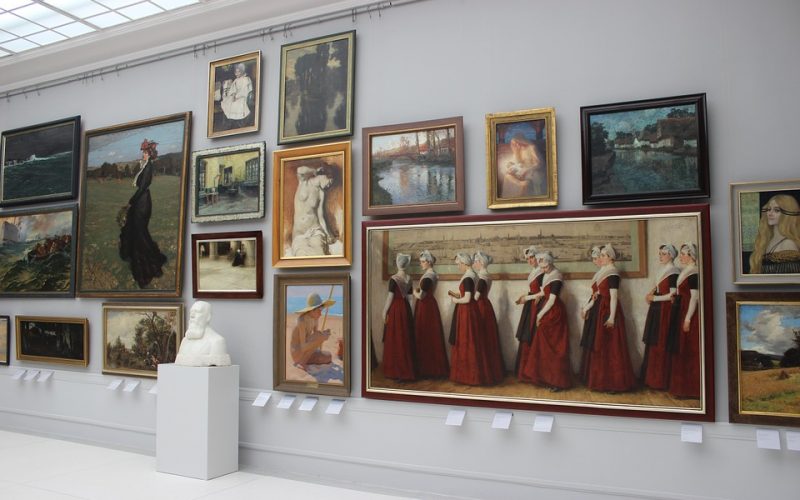
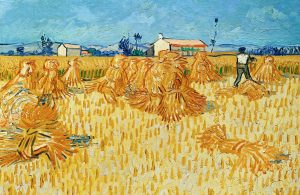
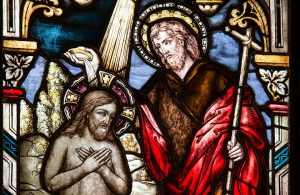
Every painting, sculpture, and decorative object in a museum carries historical information embedded within it. A Renaissance portrait reveals not only the face of its subject, but also the fashions, values, and social hierarchies of the era. An ancient Greek vase might depict a mythological scene, but it also tells us about religious practices, athletic culture, and the everyday life of ordinary citizens. When we learn to read artworks as historical documents, the stories they tell become remarkably vivid.
The emotional power of original artefacts
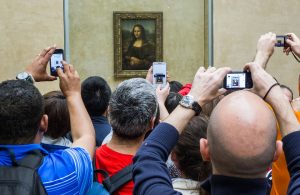
There is something irreplaceable about standing in front of an original work. Reproductions, however accurate, cannot fully capture the texture of a centuries-old canvas, the scale of a monumental sculpture, or the faint traces left by an artist's hand. This physical connection to history sparks a kind of empathy that encourages deeper engagement. Visitors often report feeling genuinely moved when confronted with works that have survived wars, revolutions, and the quiet erosion of time.
Diverse cultures under one roof
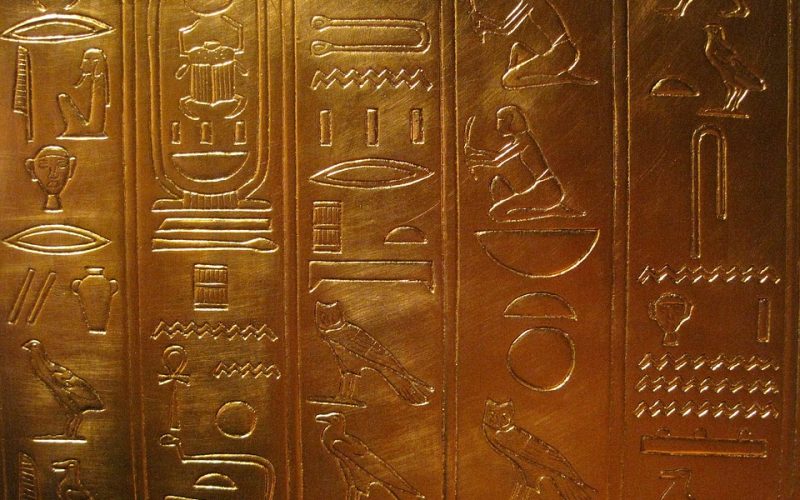
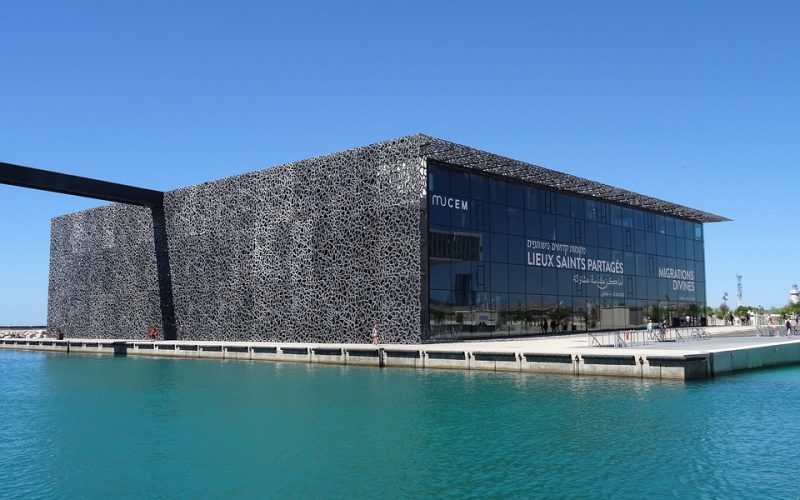
One of the greatest strengths of the modern museum is its capacity to bring together art from vastly different cultures and time periods. Within a single afternoon, a visitor might explore ancient Egyptian funerary objects, medieval European manuscripts, and contemporary African sculpture. This breadth of representation encourages visitors to draw comparisons, identify shared human concerns, and appreciate the remarkable diversity of artistic expression across history. It is, in effect, a global conversation conducted across millennia.
Engaging with difficult histories
Museums are increasingly willing to confront uncomfortable histories head-on. Exhibitions addressing colonialism, slavery, and conflict have become more common, reflecting a broader cultural shift towards honest historical reckoning. Art plays a central role in these conversations — not as propaganda, but as evidence. Works created in the midst of historical trauma carry a weight that purely written accounts sometimes cannot match, making them powerful tools for education and reflection.
Tips for getting the most from a museum visit
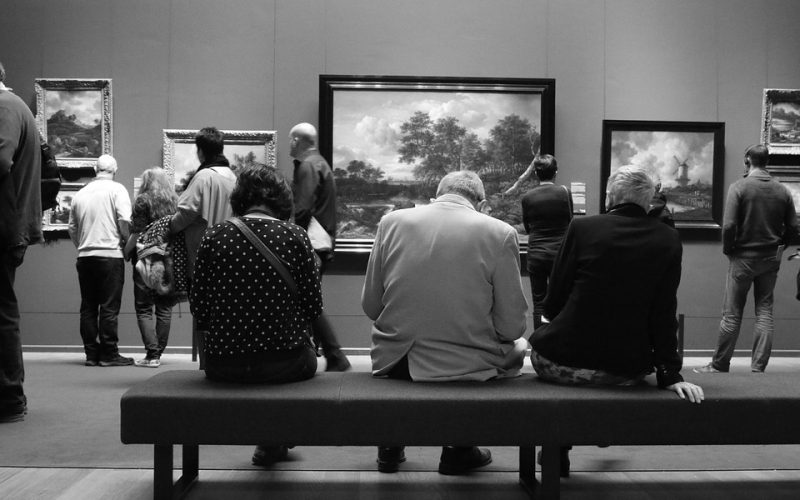
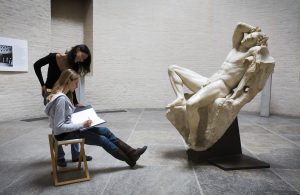
Approaching a museum with a little preparation can significantly enrich the experience. Spending time with a smaller number of works, rather than rushing through entire collections, allows for genuine contemplation. Reading the contextual information provided alongside each piece helps situate artworks within their historical moment. Joining a guided tour, where available, offers expert insight that can transform a pleasant afternoon into a genuinely revelatory one.
A living relationship with the past
The relationship between art and history is not a static one. As our understanding of the past evolves, so too does our interpretation of the works that represent it. Museums continue to acquire new pieces, revise their narratives, and expand their collections to reflect a wider range of voices and experiences. For anyone with a curiosity about where we come from and how we got here, a museum remains one of the most rewarding places to seek answers.